Tea is not a transaction. Shopping can be. Knowing the difference is part of travelling here — and it is the heart of Moroccan hospitality and responsible travel.
Moroccan hospitality and responsible travel: how we work
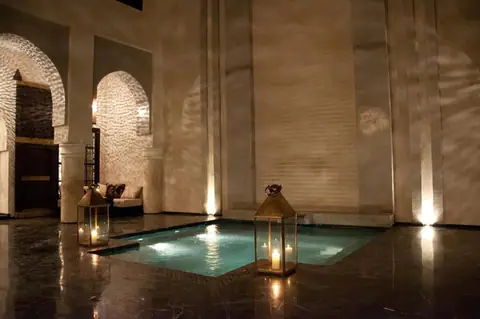
Moroccan Travel is a small local company. That sentence is a responsibility: we use drivers who know the roads because they live on them, riads that still feel like houses, and camp partners who pay staff in the off-season.
Craft, guides and photography
Artisan visits in Fes should be optional and unforced. Photographing people should involve a greeting. Drones over the dunes should involve permission and manners.
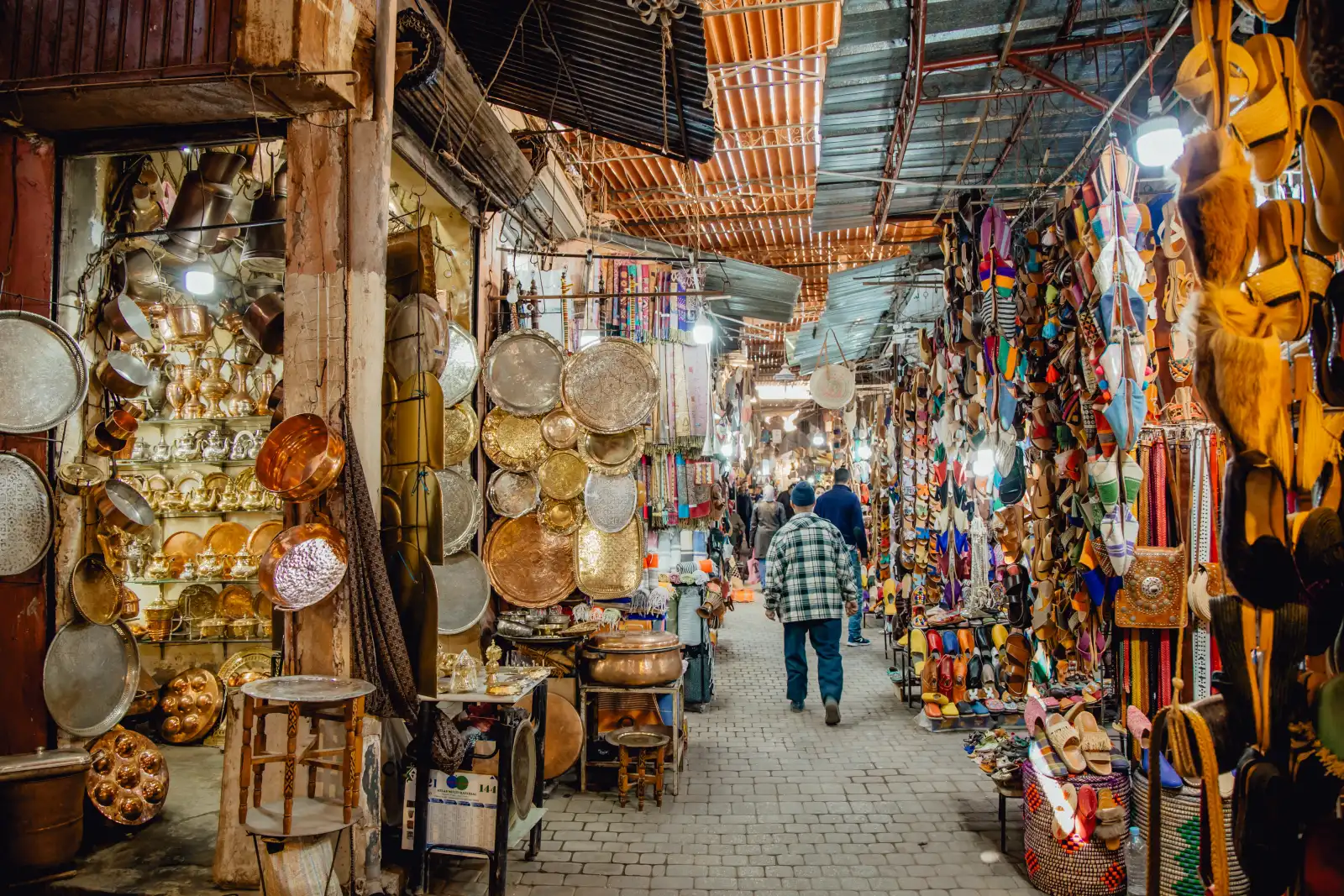
We cannot certify every supply chain in the souk. We can choose not to run shopping tours disguised as culture. If you want a carpet, we can take you to someone we would buy from. If you do not, the day proceeds.
Supporting local communities
We book licensed local guides in each city, family-run guesthouses in the mountains and women’s cooperatives on the argan road. Lunch stops are local restaurants rather than coach-tour buffets, so your money stays in the villages you pass through.
In the desert
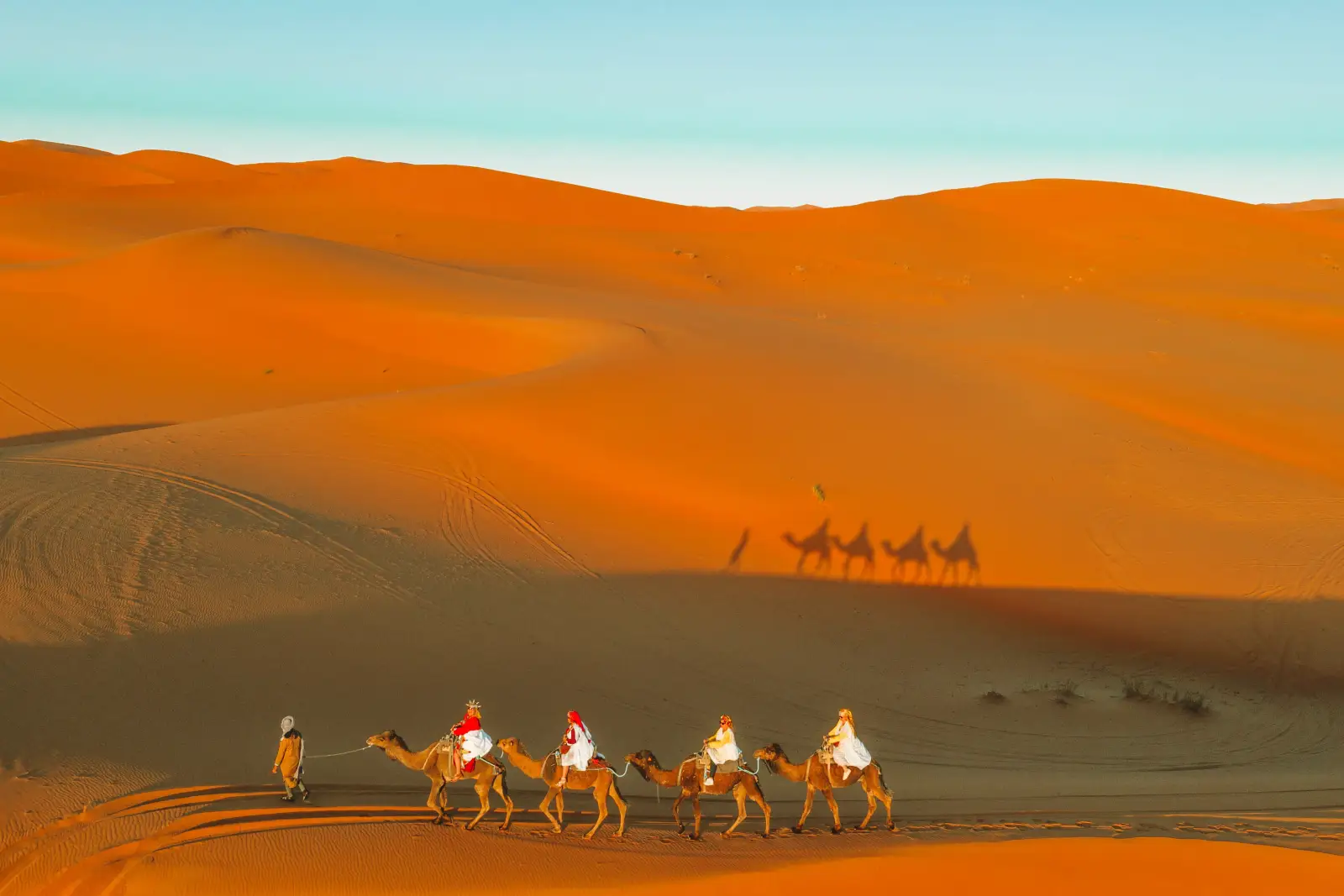
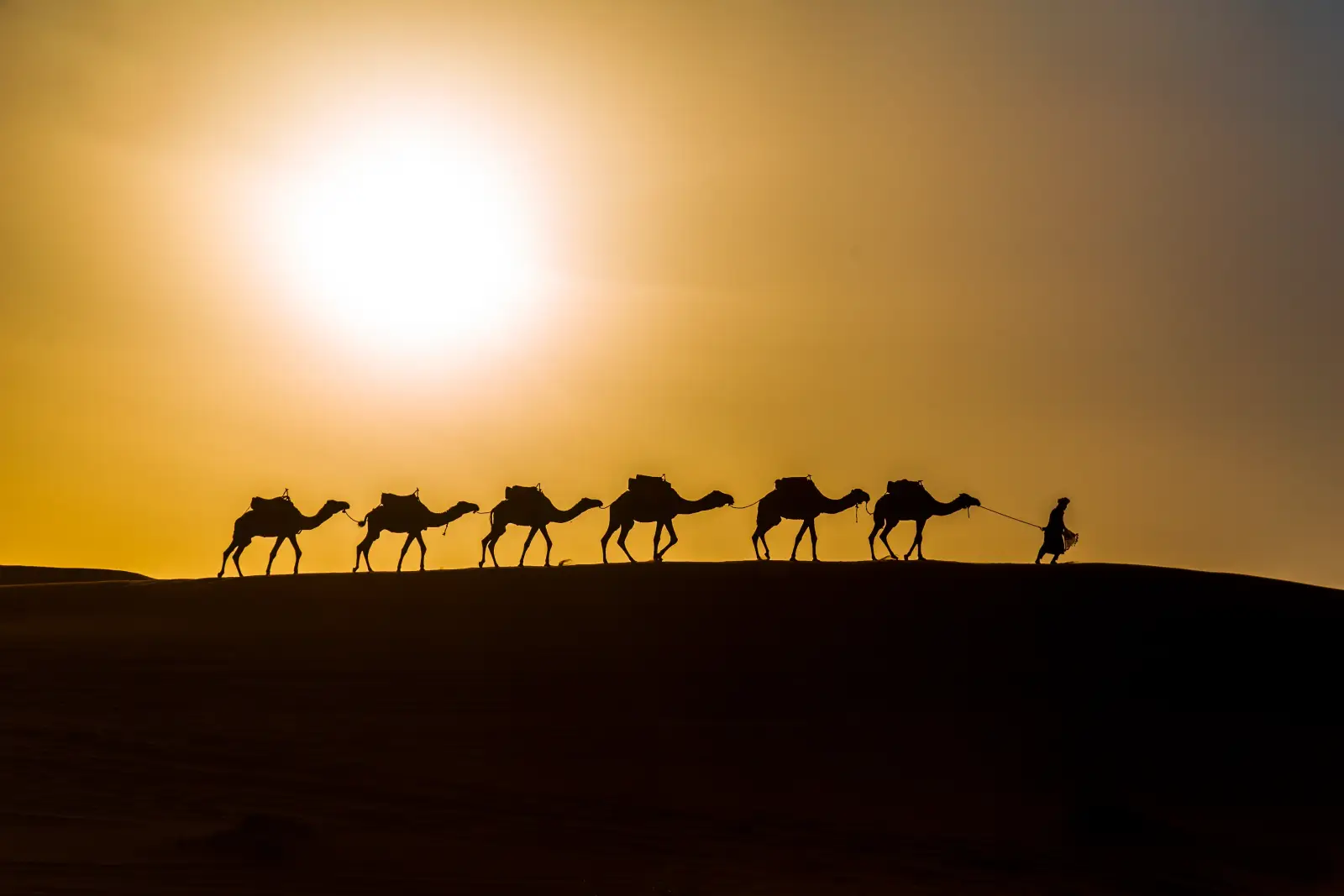
Camps near Erg Chebbi work with water that is trucked in, so short showers matter. Take your rubbish back to the camp, avoid driving 4x4s over fragile dune crests, and respect the nomad families who still live around Merzouga.
Pace is the real luxury
Responsible travel here is mostly pace: fewer hours in the car when a night would fix it, more water, less performance. That is also how you enjoy Morocco.
Further reading from an official source: UNESCO list of World Heritage properties in Morocco (UNESCO — World Heritage properties in Morocco).